

You’re not asking for too much. You’re just asking the wrong man.
Once sex is over things feel very hollow. At what point do you admit you want more — and how do you tell if that’s reasonable, or just you wanting something this setup was never meant to give?
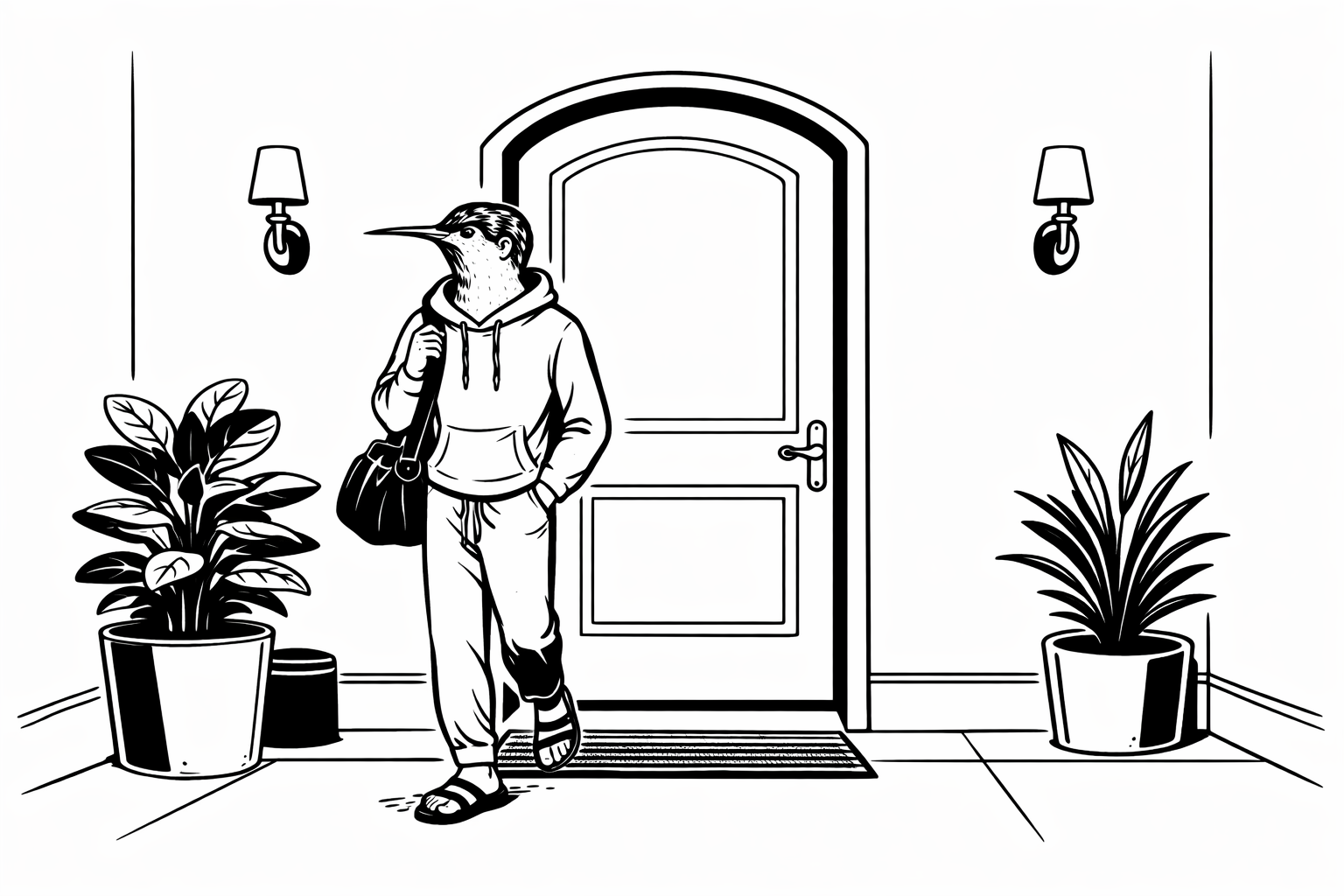
SEX ADVICE | FEBRUARY 14, 2026
5 MIN READ
WORDS by Jona Montoya
“Hi Jona. I’m seeing someone who treats sex with me like it’s a gym membership — frequent, lots of intensity, lots of confidence, very “I know what I’m doing” energy. We’ve been seeing each other three to four times per week for the past two months. And to be fair, the sex is great. No complaints there. He says he’s just having sex with me. I believe him.
The thing is, once the sex is over, things feel very hollow. We meet at my place, he never wants to stay the night, and I often go to bed feeling sad and restless.
My question is: At what point do you admit you want more — and how do you tell if that’s reasonable, or if it’s just you wanting something this setup was never meant to give?”
Dear Sad and Restless,
You’re not wrong. What you’re experiencing is the very modern confusion between being activated by someone and being held.
You’re sleeping with a man who is very good at sex. Not generous, not curious — good. Efficient. Confident.
That hollow feeling afterwards? That’s not you being needy. That’s your nervous system clocking the absence of aftermath.
Good sex creates heat. Intimacy creates residue.
Right now, you’re getting heat and no residue. It’s all fireworks, but fireworks don’t keep us warm at night, do they?
A lot of grown men have agreed to call this enough. I personally have agreed to call that enough when it suits me. Not because it is enough, but because it’s tidy. It asks very little. You don’t have to negotiate feelings, or vulnerability, or the slow embarrassment of wanting more than you pretended you did.
SEX-AS-SPORT is appealing because intimacy requires sticking around when there’s nothing impressive happening. Simple as that. When someone’s desire is all performance and no curiosity, you start to feel like an interchangeable body rather than a specific person. And chemistry without kindness doesn’t age well. It’s thrilling at first, then faintly humiliating, then exhausting. You keep telling yourself you’re “fine with it” while quietly resenting how HOLLOW you feel.
Plenty of men will happily keep you in a loop of intensity without intimacy BECAUSE IT SUIT THEM. It flatters their ego. It avoids their feelings. It lets them feel desired without being known. There is nothing inherently wrong with that — unless you stay when it’s no longer feeding you.
What matters is not whether you wanting more is reasonable.
What matters is that YOU WANT MORE. That’s the data.
THE ADULT MOVE here isn’t drama or ultimatums. It’s honesty, delivered calmly, without apology. Something along the lines of: “I enjoy this, but I’m starting to want something with a bit more depth. If that’s not what you’re offering, I need to know.”
WARNING: When you make the adult move, four things tend to happen.
First: the temperature drops. The flirtation may soften. The replies might take longer. This isn’t punishment. You’ve shifted the interaction from performance to intimacy, and this moment feels risky because it removes your main currency — being easy, fun, uncomplicated. That can feel like loss. It isn’t. It’s you stepping out of the role.
Second: you will get clarity, fast. People who want depth don’t panic when depth is mentioned. They might not know how to do it, but they lean in. They ask questions. They get a bit clumsy. That’s a good sign. People who don’t want depth don’t argue about it. They deflect. They’ll say things like: “I’m just not in that headspace right now”,“I really like what we have”, “Let’s not overthink it”. None of these are evil sentences. They are, however, complete answers. You saying “I enjoy this, but I’m starting to want something with a bit more depth.” accelerates what would otherwise take months of emotional static.
Third: you will feel exposed — briefly. You may feel embarrassed. Like you’ve admitted to wanting something uncool. There’s often a small internal voice that says, “Why couldn’t you just enjoy it?” Ignore that voice. It’s nostalgia for numbness. What you’re actually feeling is the discomfort of alignment. Your behaviour is finally matching your values, and there’s a short-lived ache that comes with that. It passes.
Fourth: your self-respect gets louder. Once you’ve named what you want, it becomes much harder to tolerate situations that don’t meet it. You stop romanticising crumbs. You may have less sex for a bit. You will almost certainly have better sleep. And even if the connection ends, you don’t feel rejected in the old way. You feel complete. You showed up honestly. That changes the texture of loss entirely.
Just remember: You don’t make the adult move to get the outcome you want. You make it so that whatever happens next is real. That’s the difference. Wanting tenderness does not make you naïve. It makes you human.
My advice: Deliver honesty. Not as a demand. As information. If he steps up, excellent. If he disappears, you have your answer… You’re not asking for too much, you’re just asking the wrong man.


Dear Sturla: The Olympics Is Not Couples Therapy
Cheating is bad. Feeling guilty about cheating is good. Confessing to the person you hurt is necessary. Confessing to the entire planet during the Olympics? That’s… something else.
SEX ADVICE | FEBRUARY 12, 2026
5 MIN READ
WORDS by Jona Montoya
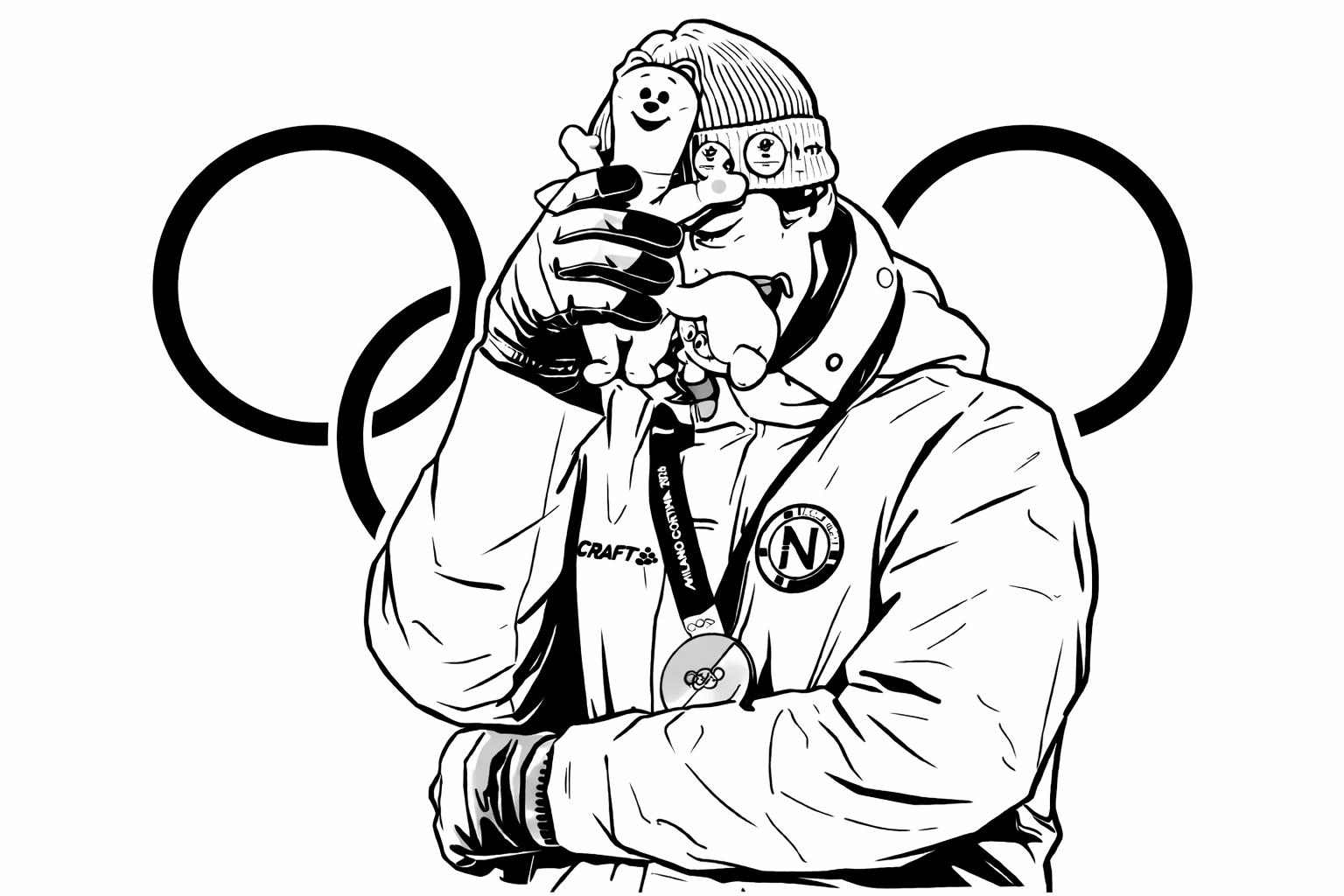
At the Milano-Cortina Olympic Games, Sturla Holm Lægreid won a bronze medal in the 20km biathlon. That is objectively impressive. Ski fast. Shoot straight. Don’t collapse. Most of us can’t manage one of those on a good day.
And then, with a medal round his neck and a global microphone inches from his face, he decided this was the moment to confess that he had cheated on his girlfriend.
Not to her.
To us.
Let’s separate a few things, because adults ought to be able to do that.
Cheating is bad. Feeling guilty about cheating is good. Confessing to the person you hurt is necessary. Confessing to the entire planet during the Olympics? That’s… something else.
Here’s the problem: public confession can look like accountability, but often it’s simply emotional outsourcing. You feel dreadful. You want relief. There’s a camera. There are millions of sympathetic strangers. You cry. They applaud your vulnerability. You feel lighter.
Meanwhile, the person you betrayed is now an unwilling supporting character in your redemption arc.
If you truly believe you ‘had the gold medal in life’, you don’t announce that you dropped it on live television. You pick up the phone. You book the therapy. You sit in the discomfort. Quietly.
Because remorse isn’t measured in decibels.
There’s also something fundamentally unfair about staging a personal reckoning in a place designed for achievement. Your team-mate wins gold. Your country celebrates. And suddenly the story isn’t about the race — it’s about your conscience.
That’s not bravery. That’s poor timing.
Look, elite athletes are human. Humans panic. Humans overshare. Fine. But let’s retire the idea that every tear shed in public is noble. Sometimes it’s simply a man overwhelmed by his own guilt and mistaking exposure for repair.
If you cheat and want forgiveness, here’s the grown-up playbook:
Apologise directly.
Accept that forgiveness may not come.
Change your behaviour.
Keep the cameras out of it.
The Olympics tests endurance, aim, composure under pressure.
Relationships test something harder: RESTRAINT.
You don’t get your points back because you cried. Or maybe you will…

I Wasn’t Looking for a Luxury Hotel — I Was Looking for a Place That Would Leave Me Alone.
What truly separates Casa Polanco is the quiet. No lobby opera. A small terrace. Few rooms. Even full, it never feels busy. Silence here isn’t a gimmick; it’s a policy.
WHEN IN MÉXICO | FEBRUARY 12, 2026
5 MIN READ
WORDS by Jona Montoya

I’ve slept in places that cost more per night than my first surgery and others where the shower felt like a moral test. Neither has taught me much about anything of importance. What they have taught me is how people behave when comfort is assumed, when nothing needs proving. That’s where Casa Polanco lives.
It doesn’t show off. It doesn’t need to. It knows what it is and gets on with the job—quietly, competently, without the theatre. This is a house designed for rest. Rooms are calm, properly proportioned, insulated from the usual hotel nonsense. Sleep comes easily—deep, uninterrupted—the kind that suggests you’re staying in someone’s actual home rather than a mood board monetised by committee.
The design helps. Elegant without chill. Warm without charm offensive. Nothing screams. Nothing begs. One of those rare places where good taste feels unselfconscious. The complimentary minibar—artisanal snacks, decent drinks—sounds trivial until you realise how many hotels have forgotten generosity as a concept. Here it’s handled lightly, like good manners.
The house is immaculate. Not “hotel clean,” but reassuringly so. Bathrooms spotless without the olfactory assault of industrial chemicals. Someone here has standards. They’re enforced quietly, which is how standards should be enforced.
Step outside and the location does the rest of the talking. Park across the street. Masaryk within easy reach. You can walk, eat exceptionally well, disappear for hours, return without strategy or spreadsheets. Mexico City rewards that kind of looseness.
Then there’s the human layer, which is where most places collapse. Octavio Aguilar, the owner, is often around—not hovering, not branding himself, just present. It matters. You feel the difference between a “boutique concept” and a house that still has fingerprints on it. The staff follow suit: attentive without fuss, sharp enough to know when to appear and when to vanish. Heading to Chapultepec Park, I was handed water and a bag—no flourish, no script. Practical needs anticipated, not announced.
Drinks arrive when they should. Food is where the place hesitates. In a city like this, hesitation counts. Breakfast and in-house meals aren’t bad; they’re simply outpaced by the city outside the door. Fortunately, that door opens onto some of the best eating on the continent, so the flaw barely lands. Do not leave the city without trying tacos de canasta.
What truly separates Casa Polanco is the quiet. No lobby opera. A small terrace. Few rooms. Even full, it never feels busy. Silence here isn’t a gimmick; it’s a policy.
When in Mexico City, stay there. It favours discretion over display, and calm over performance. For people who’ve lived a little—and paid attention—that’s not a lack of spectacle. It’s the whole point. ■